plantas archivo
La tierra
Through the stretching and breaking of the land in Colorado and New Mexico, the cracked ground lay open, waiting to be filled with flowing water, etching the land into what is now called the Rio Grande River. Around two million years ago, our great river ancestor flowed into South Texas, emptying into the Gulf of Mexico. The rapid giving of the river into the still ocean created an ancient symbol of past present and future: a triangle of sediment. To be a delta is to be a mixture, a combination of water and sediment, of rapidness and slowness, a new being. The sediments that had traveled miles within the Rio Grande River, would finally find a place to settle, a place to call home. These deposited soils formed the landmass now known as our precious Rio Grande Delta, often referred to as the Rio Grande Valley today.
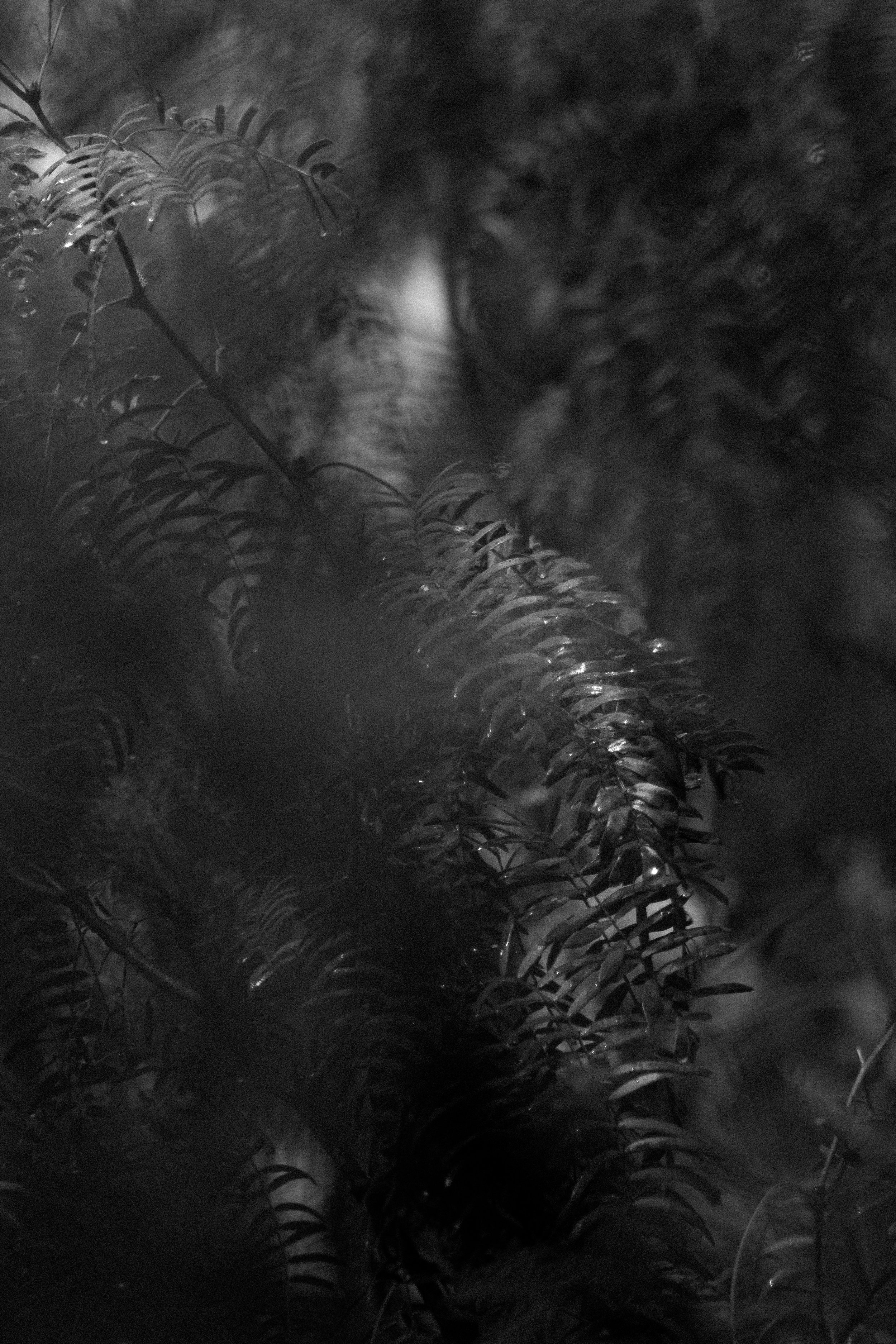
The delta also served as the mouth of the river and ocean, and mouths are to be nourished. This inlet was satiated by the sediment’s rich nutrients, and as they lay into the land, became a clay land mass where an abundance of life was made possible. Its history has rested here ever since. Thorny trees, cacti, shrubs, and grasses began growing from these lands, creating the vast Taumaulipan Thornscrub forest, Texas sandy grasslands, and riparian forests. By the Gulf of Mexico lay sand dunes, tidal flats, and various soil types. As a result of oscillating sea levels, the largest barrier island in the world was formed along with hyper-saline lagoons and many other bodies and forms of water. The Rio Grande also flowed deeper into the land, with tributaries braiding into the trees and grasses, forming wetlands and filling resacas with runoff from heavy rains. This is how our sacred salt lake, La Sal Del Rey, was created. All these occurred at different times and under different conditions, forming a place brimming with biodiversity - a place many beings are made of and call home.